Built Specifically for the Pleasure of Driving
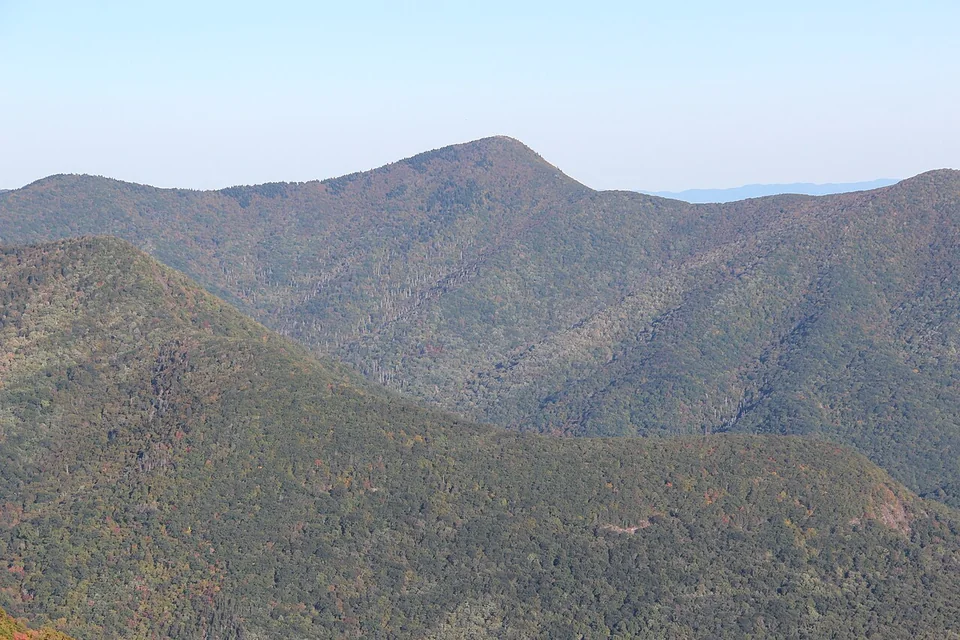
Designed in the 1930s to connect Shenandoah National Park in Virginia with Great Smoky Mountains National Park in North Carolina, the Blue Ridge Parkway was engineered around sweeping ridgeline curves, hand-cut stone tunnels, and pull-off overlooks rather than fast commuting.
Because the top speed rarely exceeds 45 miles per hour, covering 100 to 130 miles in a day leaves plenty of time for short leg-stretching walks and historic mill stops.
Must-Stop Virginia Mileposts: Humpback Rocks to Mabry Mill
Near Milepost 5.8, the Humpback Rocks visitor area introduces early mountain farm life and crisp Shenandoah Valley views. Further south at Milepost 176.1 sits Mabry Mill—one of the most photographed watermills in the East—surrounded by split-rail fences and easy level paths.
Just off the Parkway near Milepost 165, the small town of Floyd, Virginia, welcomes travelers with country stores, hardware shops, and traditional Friday-night bluegrass music.
North Carolina Highlights: Linn Cove Viaduct & Craggy Gardens
At Milepost 304.4, the Linn Cove Viaduct curves gracefully around the rugged boulders of Grandfather Mountain—an engineering landmark completed in 1987 to protect the fragile mountain slope below.
Continuing toward Asheville, Craggy Gardens (Milepost 364.5) offers 360-degree high-elevation views and cool mountain air even in mid-July.
Practical Fuel, Weather & Season Tips
Fuel stations are located just off Parkway exits rather than on the road itself, so topping off whenever your tank hits half-full is smart practice. Fog can roll across high ridges quickly; low-beam headlights and patience on curves keep the drive relaxed.